
The U of T library system is the largest in Canada, and second largest in North America with 44 libraries spread across our three campuses – and of those 44, 42 are on the St. George campuse!
We recommend you explore this huge library system to find the resources you need for your projects and the many cool study spaces and common areas that fit your personality and study style. The librarians themselves offer a range of valuable services that many students may not realize are available. This includes giving tips, holding workshops, or any general help you may need with things like research or writing papers.
Engineering & Computer Science Library
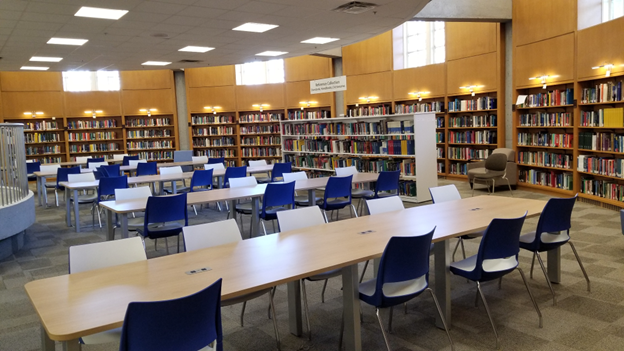
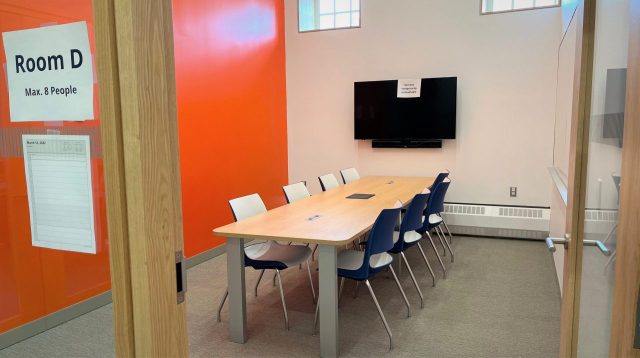
Located on the second floor of Sandford Fleming, this library serves Engineering and Computer Science students. The library offers a variety of study spaces, including a main study area with plenty of seating on the first floor, individual workstations, and a quiet study area on the second floor. The library has many computer workstations, including four design space stations, and printers.
This is a great place for quiet study, and it’s probably the closest library if you are in any engineering building. If you prefer physical books over PDFs, you can look for Engineering textbooks and reading material here. As Engineering students, you can book study rooms equipped with a monitor, HDMI cable, and whiteboard markers and erasers. You can prepare for finals with your EngSci friends here.
Gerstein Science Information Centre
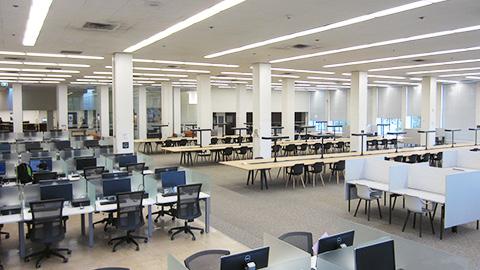
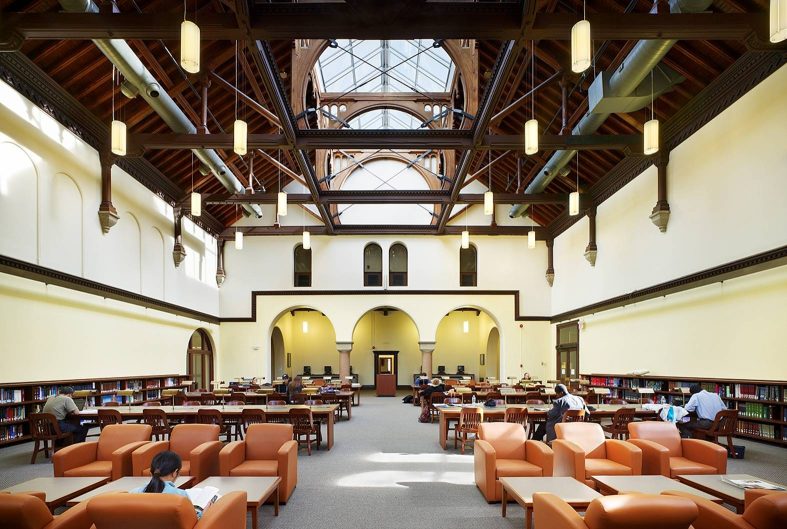
Gerstein is just east of King’s College Circle, less than a five-minute walk from Sandford Fleming. There are group study rooms available for booking and computer stations for individual use.
Gerstein has an extensive science and engineering collection. You can browse the collection on their website, find physical copies on the basement floors, or ask a librarian for help with research.
Gerstein also has a 3D printing studio located in the Mobile Application Development Lab (MADLab), the service is available for all valid University of Toronto TCard holders.
Robarts Library
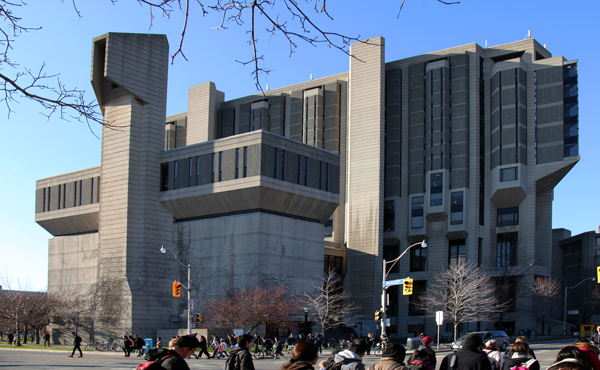
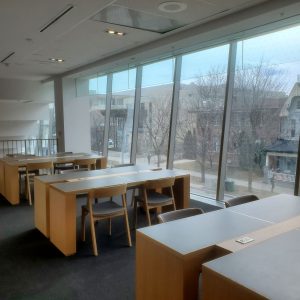
Robarts (pronounced ROW-barts) is located at the intersection of St. George Street and Harbord Street. It contains the largest single collection of the University of Toronto libraries. (Steve, our academic advisor, would like to draw your attention to the fact it looks like a giant turkey.) Here you can find Robarts Commons, which is a study space open to all U of T students 24 hours a day, six days a week.
Robarts also has dedicated quiet study spaces spanning two floors. These don’t require booking and are available on a first-come, first-served basis. The large study space on the 4th floor has tons of natural light and ergonomic desk chairs, which make it ideal for long study sessions.
Robarts also has an in-building food court, along with restaurants such as Tortillas Cantina, The Sushi Bowl, and Starbucks. Multiple food trucks are usually parked right at the front entrance as well. Most of these restaurants are closed on weekends, so if you’re planning on studying here over the weekend, make sure to pack some lunch and/or snacks. But there is no eating in the library itself.
Other Notable Libraries
University College Library
The University College Library is located on the second floor of the University College building and is one of the oldest branches of the U of T Libraries system. The two-story library contains many quiet nooks along with a beautiful view of the central stained-glass windows. The library also connects to The Owlery Cafe which is a great spot for a little caffeine or snack break while studying.
Knox College Caven Library
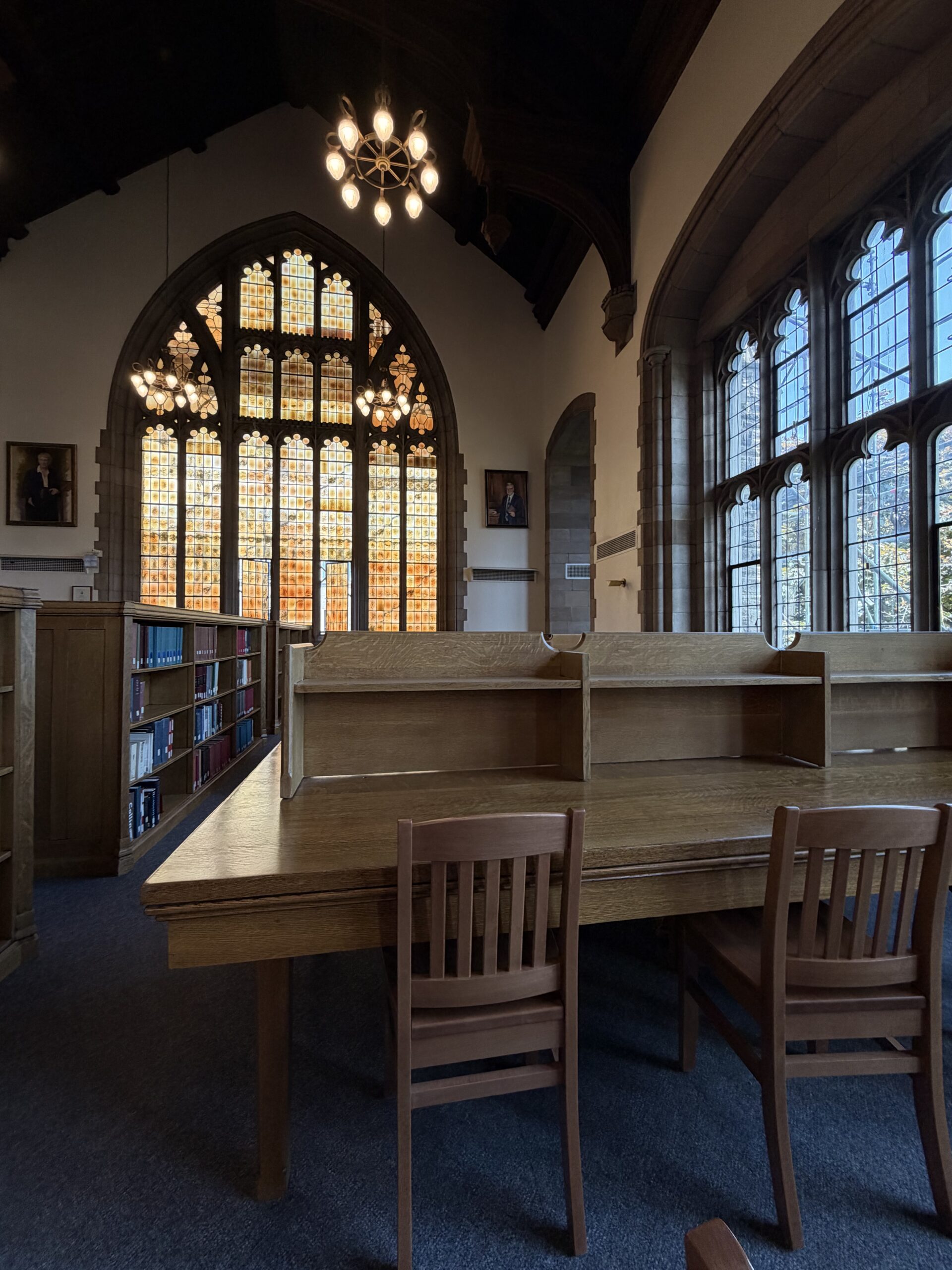
If you’re looking for a quiet study spot with beautiful gothic-style architecture and lots of natural light, Caven Library is the place for you. Located in Knox Collage, right beside the Myhal Centre, this Library is a great study spot with a nice view of front campus, dramatic stained-glass windows, and a quiet atmosphere. It is convenient for engineering students because it’s located close to many of the engineering buildings – but please note that if you are planning on studying here, it closes on weekdays at 4:30pm and is not open on weekends.
Emmanuel College Library
This library, located on the third floor of Emmanuel College, is another beautifully built and historic library. It’s a favorite study spot for its antique chandeliers, high windows, and wooden desks and bookshelves that resemble the libraries from the Harry Potter movies. The windows overlook Queen’s Park and Victoria College, and while it may be a little farther from the engineering side of campus, many students will say that its peaceful atmosphere and beautiful interior make it a worthy study spot.
Library Resources Available
The first thing you can do in libraries is borrow books of course! Using your TCard, you can take out up to 50 items at a time, with a loan period of 14 days. The system will also try to automatically perform a renewal if possible, so you can avoid being fined. You can search for all books, including ebooks, on the library website. You can download many textbooks, research papers, and international standards here.
It’s also common for Praxis I instructors to explain to the class how to properly search online for credible resources and how to properly cite those resources. So make sure you pay attention in that class because those skills will be useful all throughout your degree.
Other than books, you can also borrow chargers, board/video games, laptops, calculators, and more from libraries!
Another thing you can do at libraries is book study spaces. You can study with your friends, work on projects, or have team meetings in these rooms. Many of them have TVs or whiteboards, which is great for collaborative studying!
As a first-year engineering student, you’ll be assigned a Personal Librarian at the end of September. They’re an amazingly useful support! You’ll get research advice and tips as well as answers to any of your questions about library resources, services, and research. In addition, they also hold workshops on things like how to properly cite work and create bibliographies.