EngSci Club and Community

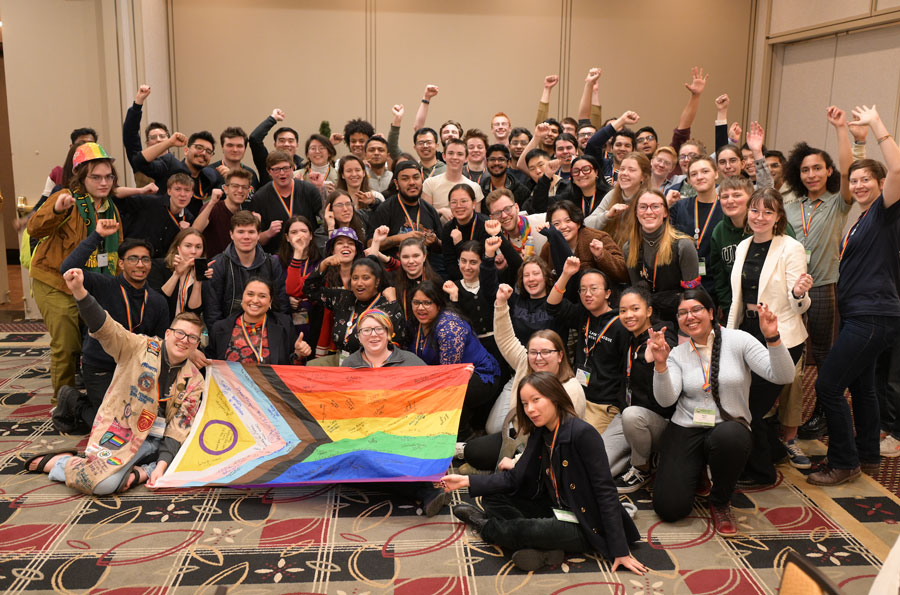
One thing that makes EngSci stand out as a program is the strong community it fosters. Even though the program can be challenging at times, students go through those challenges together, which creates strong connections between peers, upper years, instructors and staff who all want to see students succeed.  

Students thrive in this supportive, close-knit environment, and many leave the program with lifelong friendships, memories, and a strong sense of belonging that extends far beyond the classroom.  

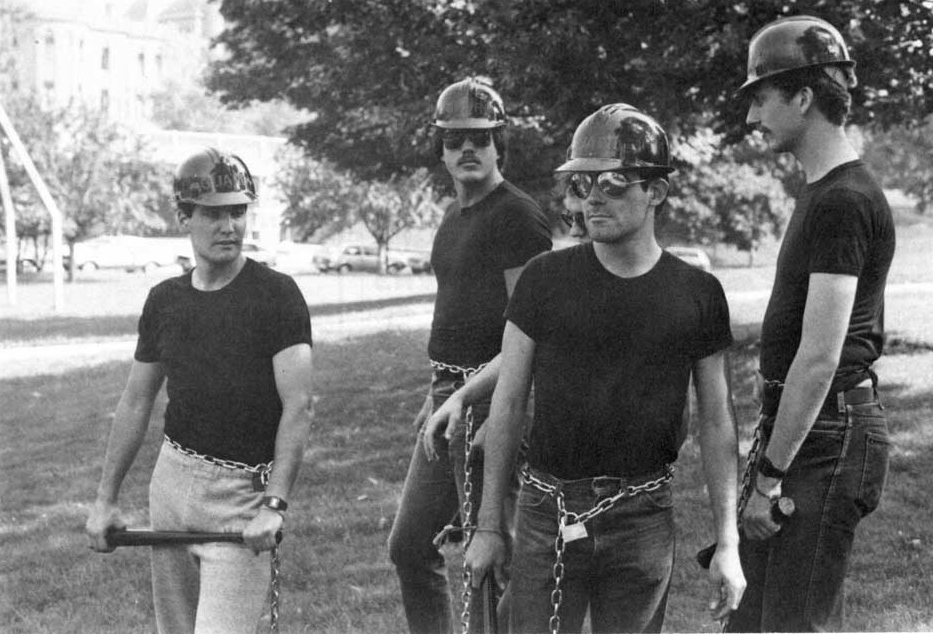
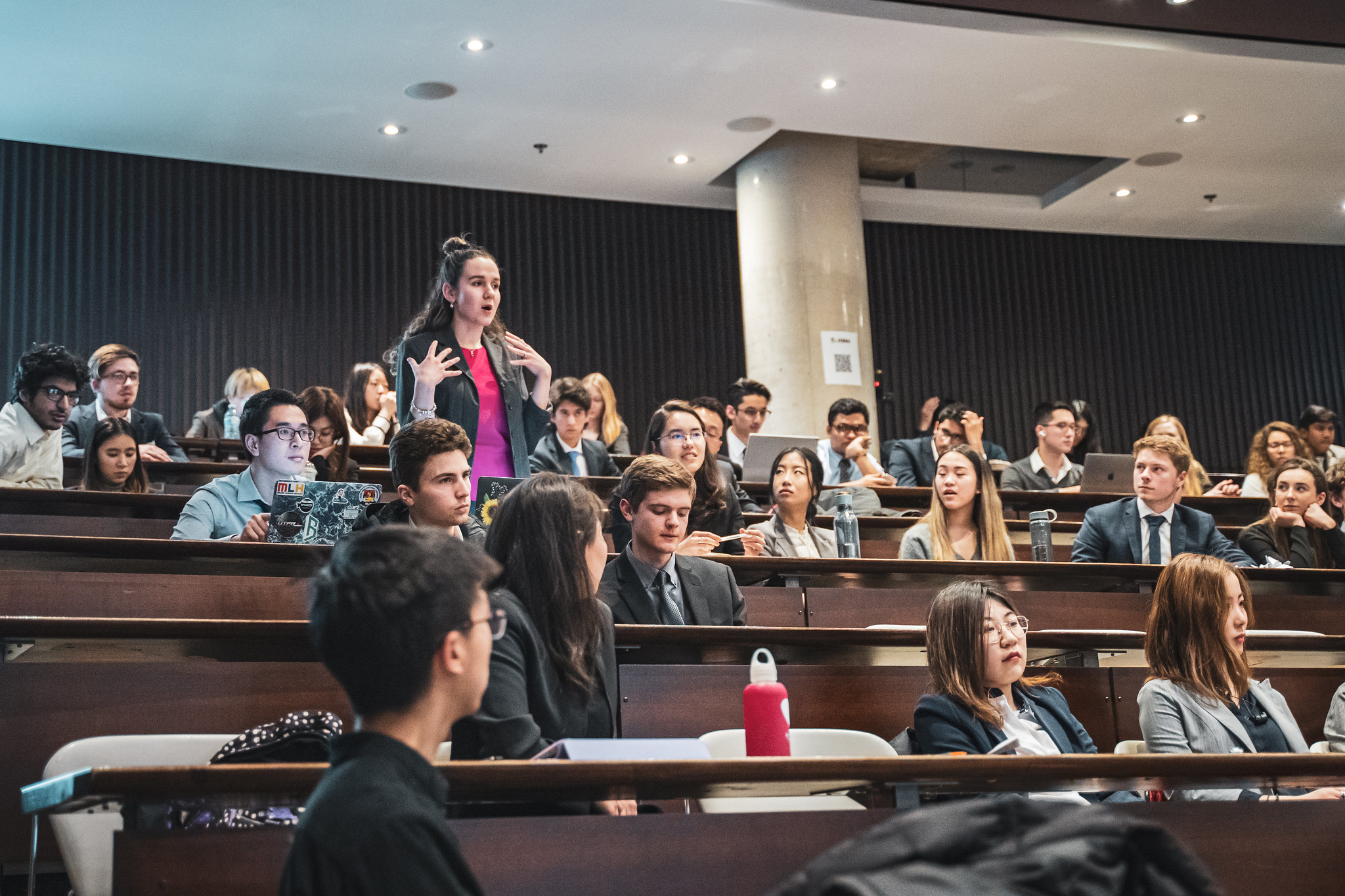
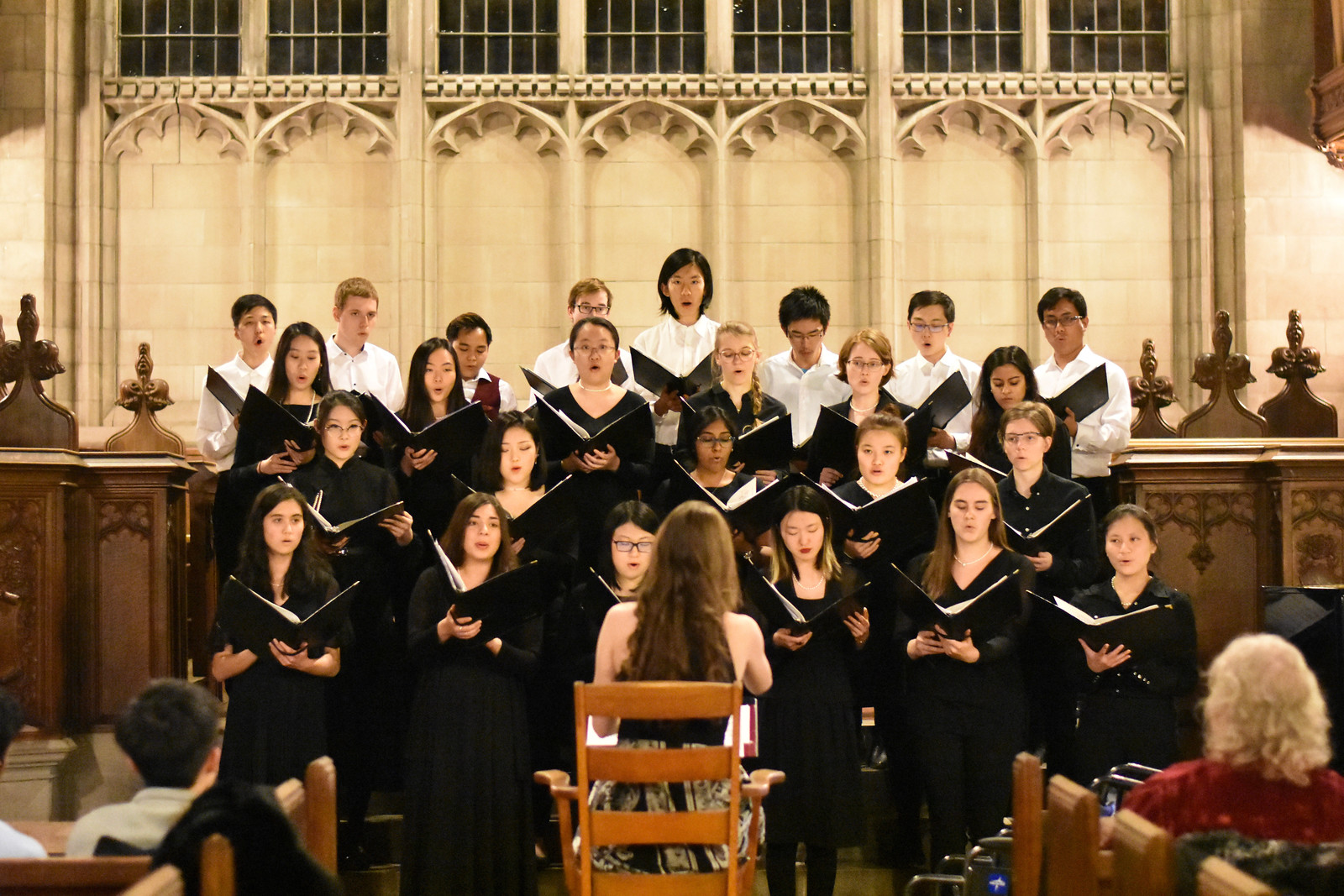
Beyond academics, the EngSci community is also shaped by the many traditions, events, and student-led initiatives that students look forward to throughout the year. Dedicated clubs and student groups help support students and enrich the EngSci experience, creating opportunities to connect and have fun alongside the program’s academic challenges. From community traditions to yearly events, the EngSci Club plays a major role in making the program a memorable and rewarding experience.  

What is the EngSci Club?

EngSci Club is the official discipline club for all Engineering Science students, including you! It is made up of upper-year students who are passionate and excited to give back to the community. They run the EngSci Dinner Dance, Nocturne (EngSci talent show), and many common room activities throughout the year. They are also here as a resource and point of reference for anything you might need, from personal lockers on campus, to navigating the university’s resources and supports. 

What does EngSci Club do?

EngSci Club does everything from advocating for your academic needs to planning board game nights, all with the goal of making your EngSci experience the best it can be. 

On the academic side, EngSci Club works with class representatives—a role you can apply for as a first year—and first- and fourth-year chairs to communicate concerns regarding courses and instructors to the faculty. EngSci Club also helps students connect to useful academic resources, including course-specific Google Drives with plenty of helpful materials, within the Division of Engineering Science and the broader Faculty of Applied Science & Engineering.

EngSci Club manages the Common Room and runs socials for EngSci students, which often occur in the EngSci Common Room. Past socials include game nights, holiday celebrations, town halls, and the annual EngSci Dinner Dance and Talent Show. EngSci Club also manages locker rentals, which are a great asset to first-year students who don’t want to carry around their textbooks and other school supplies throughout the entire day. 

EngSci Club logo: stick figure wearing a hard hat and holding a trident
EngSci Club Logo [Source]

Additionally, EngSci Club ensures equity in all club activities, and works with commuter and international students to improve their university experience. They push for mental health and wellness to always be front of mind. 

Finally, EngSci Club is an amazing resource for information about all things EngSci, U of T Engineering, and U of T. You can follow their Instagram @engsciclub, check out their website engsci.skule.ca, and stay tuned for their fun emails all throughout the year! 


EngSci Dinner Dance

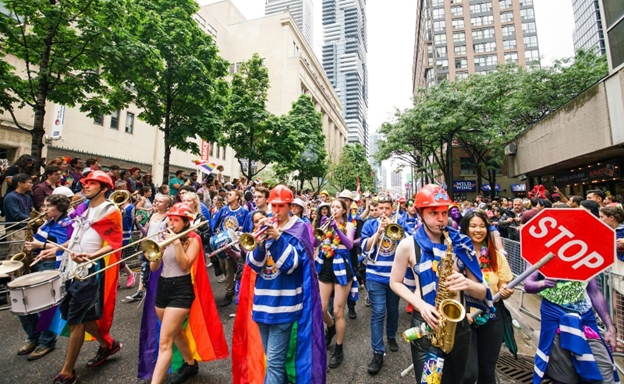
The EngSci Dinner Dance is one of the most anticipated annual traditions run by the EngSci club. It is a night to dress up, step away from problem sets for a while, and enjoy great food, music, and company within the EngSci community. Open to all EngSci students, as well as faculty members, the Dinner Dance is one of the highlights of the fall term. You can look forward to a full-course meal, a lively dance floor, and photo booths with your friends. There is always an appearance from the Skule Orchestra and The Lady Godiva Memorial Bnad to increase the energy throughout.  

Photos from the 2025 EngSci Dinner Dance [Source]

Nocturne (EngSci Talent Show) 

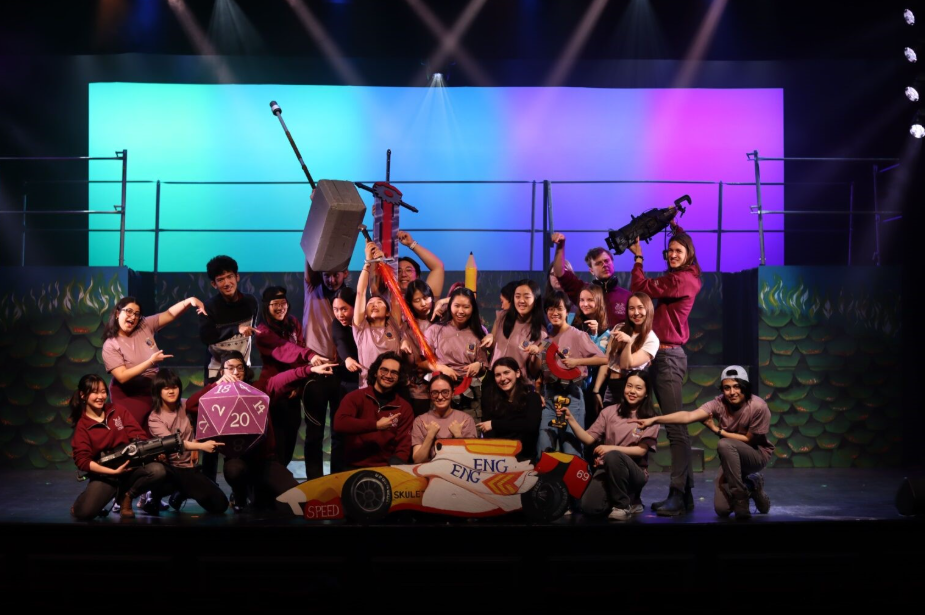
Nocturne is one of EngSci’s favorite spring traditions. It is an unforgettable annual talent show where the EngSci community comes together for a night of music, laughter, creativity, and memorable moments. Open to all EngScis, Nocturne is the perfect chance to show off your talents, and everyone is encouraged to audition or go to support your friends. Hosted by the EngSci club with Professor Davis (your ESC195 professor) as the MC, the night is always packed with EngSci spirit. You might even catch some of your other professors showcasing their talents on stage!  

Link to Prof Guerzhoy’s performance Nocturne 2T6
Photos from Nocturne 2026[Source]

We have more exciting surprises up ahead so follow @engsciclub on Instagram

Going Fast – Interview with Jasmine Wu (2T5 + PEY)


Jasmine Wu

  • From: Calgary, Alberta
  • Major: Aerospace Engineering
  • Summer Plans: Vehicle Aerodynamicist Intern at Rivian, before heading to the United Kingdom for PEY at Airbus as an Aerodynamicist
  • Hobbies: “Yapping”
  • Fun Fact: Jasmine is the Aerodynamics lead for University of Toronto Formula Racing (UTFR)!

From where did your interest in aerodynamics originate?

CFD is used when designing for aerodynamics [Source]

Coming into EngSci, I didn’t really know what aerospace was; I didn’t know about propulsion, aerodynamics, nor structures. I joined the University of Toronto Aerospace Team (UTAT) and specialized in aerodynamics since it was the first term alphabetically and the word “aero” was in both “aerodynamics” and “aerospace.” Eventually, following what I was interested in, I did research in Computational Fluid Dynamics (CFD) at the University of Toronto Institute for Aerospace Studies (UTIAS), moved on to aerodynamics at UTFR, and the roads converged from there.

Since there aren’t any aero courses in first year, because the curriculum is supposed to be foundational, it was my own passion that drove me. Therefore, I presented myself to my future supervisor at UTIAS stating: “I feel like I’m not getting the enrichment in the Aerospace major yet because I’m still in the foundation years, so I was wondering if I could join your lab and do research to explore this area and explore my passion.” There was an aero course in second year, and I find the Aerospace major very interesting; all of the courses I took in third year are exactly the kind of courses that I want to take, but it took some time to get there.

Discuss your progression from UTAT, to UTIAS, to UTFR, and now Rivian. How did your technical knowledge and leadership capabilities evolve from each of these experiences?

For UTFR, it was just walking into the environment at the right time. There wasn’t anyone to take over the Aerodynamics section and there was a lack of knowledge transfer at the time; UTFR at the time was just a lot of Mechanical Engineering students, and they don’t get a course about fluids or CFD until third year. Therefore, walking in with some knowledge of aerodynamics and especially CFD, I was able to present my skills and explain what I wanted to do with the Aerodynamics section, and where I could help out. From there, I was luckily given the position of Aerodynamics lead, and I worked very hard to build up the section. I went back to research again the next summer.

“By then, I had all this experience with UTFR, which was very practical hands-on work; it was the actual process of going through engineering design that companies like to see. Backing it up with my knowledge and research, I think that’s what I was able to use to sell myself to these companies that were looking to hire people.”

The one downside about aerodynamics is that it’s a very complicated field and oftentimes employers, even for interns, will want master’s or PhD students, just because they have more knowledge in the field and don’t have to be taught as much. For a lot of companies, I felt like I was fighting to prove that I could do the same work as a master’s student, which was not always the case at the time.

Do you have any more advice for students wanting to secure internships at such tech companies?

Just play to your strengths. Everyone has something on their resume that people will find interesting.

“I feel like EngScis are just so talented, smart, and interesting, too, that companies will want to hire them. It’s all about highlighting the areas you think that companies should see, as opposed to thinking that you’re unqualified for the job because you don’t have a certain experience.”

Also, you need to remember that your GPA really isn’t everything. My GPA is definitely on the lower end of the spectrum for EngSci Aerospace Engineering majors. I have many friends that have amazing GPAs, but I feel like it’s my practical experiences outside of the classroom that positively pushed me over the edge for these companies. Frankly, I’ve interviewed for some top companies who have not asked for my GPA.

How did you find that balance between your courseload, extracurriculars, and also applying to jobs and research positions?

I’ve always loved doing extracurriculars. In high school, I loaded up my schedule, but in university, I got the amazing advice to start out by joining just one design team and one club, and seeing where that takes me. I recommend students to join extracurriculars and find what they’re passionate about in their first and second years, so you can also determine what you want to do in your third and fourth years.

I think joining a design team is absolutely critical for EngScis, because it allows you to get a lot of practical experience and hands-on work. Design teams push you through the design cycle, including the building, testing, and competing, just like the engineering design process you will learn in Praxis. As I stated earlier, companies love to see that we’re balancing all of that.

I’m probably not the best person to ask about that, because for me my design team takes over my life – but I enjoy it that way! I know it’s hard to let go of grades, so I always tell people to almost, like, introduce your design team into your life little by little, and then you see how much more you can handle. You’re not immediately diving right into the deep end. Instead, you’re just trying to find where your balance point is. For a lot of people, including myself, it’s easy to get sucked into design teams and the hustle culture of it all. There does need to be some balance, and I’ve had to dial it back sometimes.

What sort of opportunities exist on design teams? How do you make the most out of your team at design team competitions and networking events?

Learn how competitions work, and how teams operate. If you stick with a design team, you’ll be going back the next year in a higher position, as someone more responsible for different aspects of the vehicle and moving the team through competition. Also, use design teams and competitions as networking events. You might get money for your team or even a job for yourself; I got my summer internship through networking with a design judge at competition. Even if there aren’t many sponsors, go to talk with other teams about things like your subdivision and interests, When I went to my first competition, I went around and talked with people from other universities about aerodynamics. Competitions are such a unique experience that you only get from being on and committing to a design team. Bond with your team, get your name known, and make contacts with them. At the end of the day, don’t stress about those aspects – just enjoy the overall experience itself. I encourage every single one of my recruits to go to competition and experience it all.

The UTFR Competition team from Formula SAE Michigan 2024 [Source]

Learning by Doing – Interview with Yijie Wang (2T6 + PEY)


Yijie Wang

  • From: Toronto, Ontario
  • Major: Robotics Engineering
  • Summer Plans: Research at the Acceleration Consortium programming robots to perform biochemical experiements
  • Hobbies: Reading, writing, and piano

Since starting EngSci, you’ve been on RSX, UTMIST, and aUToronto. Why did you join these design teams and what did you learn from them?

One of the reasons why I chose EngSci was because it exposes you to many concepts. Coming here, I had no idea what I wanted to do in the future, so it was really nice that I got experience in different courses and disciplines through the curriculum. Also, I just like to try out different things through design teams and other activities when identifying my interests. That’s one of the good things about the program and the variety of opportunities that we have: I see something I like and engage with it, and then see how it goes.

Through my experiences with different teams, it’s really cool to hear about the experiences of the people I get to meet, especially those pursuing completely different paths. I think I’ve learned a lot from them, even though what they’re doing is completely different from what I’m doing. I think that’s also a benefit about trying different things.

You also competed in competitions such as the Clarke Prize Environmental Design Challenge and Hack the Student Life. How did you identify these opportunities and succeed in them?

Yijie and her team developed CampusPulse, an app to help users navigate various on-campus events, at IEEE U of T’s Hack the Student Life [Source]

I didn’t participate in any of these in first year because I missed all of the application deadlines; I only got to know about these opportunities when I saw people doing them! In second year, I realized that it’s important to engage in endeavors outside of academics and try different things. Different design teams and organizations like IEEE and UTMIST organize various hackathons, so I followed their Instagram pages to stay up to date on application deadlines and activities. I really like hackathons because you get to work with your friends and achieve more in 24 hours than you may have thought was possible. Even if you don’t have a team going into the hackathon, you can always form a team during it. I met many people from different programs during hackathons, so I think that’s cool, and I recommend anyone to try it.

Developing ideas is the hardest part about hackathons, especially since you’re on a time crunch. We learned to discuss potential ideas before entering the hackathon. In terms of what you want to accomplish at the hackathon, I think it’s based on your interests. Do you want to create something sustainable? Do you want to create something that helps others? Keeping your goal in mind keeps you interested and motivated to work on it.

Personal projects push you to do something you can think of yourself, while learning a lot in the process. They also help build your confidence! Hackathons and team-based projects are even better because you work collaboratively and make friends. These experiences add something on top of your academics and let you see what you can do with what you learn in courses. I gained my project experiences from hackathons and design teams, and that’s how I learned these skills.
What are the benefits of personal projects? What advice would you give to incoming students who have ideas for projects but don’t know how balance them and coursework?

Personal projects push you to do something you can think of yourself, while learning a lot in the process. They also help build your confidence! Hackathons and team-based projects are even better because you work collaboratively and make friends. These experiences add something on top of your academics and let you see what you can do with what you learn in courses. I gained my project experiences from hackathons and design teams, and that’s how I learned these skills.

I think the main thing is time management. It’s important to set expectations while acknowledging that you can’t always work on school.

You need to set aside time to do something else that you are interested in. Even if you think you’re not dedicating enough time to your academics, doing things you’re interested in can motivate you to work more efficiently. Don’t discard your interests and hobbies – keep them in mind when you talk to other people, look for resources online, and find specific opportunities that interest you.

I believe that once you set your mind to do something, you’ll find time to do it, and that’s how I did some of these projects. My main advice is to try out different things. A lot of opportunities come from these activities rather than just studying well.

How did you discover the Acceleration Consortium opportunity?

I found it on the EngSci Info Hub on Quercus, which is a great resource, especially when you don’t know where to find opportunities. They do a good job of listing many opportunities and scholarships. I also applied for other job opportunities through the Engineering Career Centre portal. I think those two resources are enough to land a job. Talking to other people and attending activities from different clubs that focus on different fields also give you a good idea of where to start.

You can access the EngSci Info Hub on Quercus starting in September. Go to the “Home” tab and scroll down to see a list of opportunities.

What has been your favourite EngSci course or activity so far?

My favourite endeavor was my first hackathon experience because I had never done any hackathons before, even in high school. I was really surprised at how productive we were in 24 hours. It was an eye-opening experience, and it comes from trying out different things and figuring out your strengths and what you want to improve on.

My favorite course was linear algebra, MAT185. I liked writing proofs because it’s a very rigorous and logical process. It makes sense to me because everything is based on theorems and axioms. Another course I enjoyed in the second year was Praxis III. We got to form our own teams and build something. In the end, we had something to present to everybody, and it was really cool to see what we accomplished as second year students. We worked on garbage sorting in Bangladesh. We built a little robot that would lift garbage to an ergonomic height and used computer vision to identify recyclable materials, assisting workers with sorting. It was a cool prototype. The EngSci curriculum exposes you to many things which remain in your mind, [so that if you face a similar topic in the future] you know what to look for. This helps a lot when doing hands-on work instead of just learning the theoretical frameworks.

A mechatronics design project from Praxis III [Source]

[To the incoming class], I think you’ve made a great choice coming to EngSci, not only because of the excellence of the courses and opportunities, but also the community here. Because everybody has the same schedule for the first two years, you really get to know your classmates and have a tightly knit group. And because EngSci is as hard as it is, everybody helps each other out and I think this is something that’s unique to our program. I think you’ll enjoy your time here, and good luck!

Work-Life Balance – Interview with Arnab Majumder (2T7 + PEY)


Arnab Majumder

  • From: Scarborough, Ontario
  • (Intended) Major: Robotics Engineering
  • Summer Plans: ESROP – Global at King Mongkut’s University of Technology Thonburi, Thailand
  • Hobbies: Fishing and powerlifting
  • Fun Fact: During his first semester, Arnab never did homework on weekends!

Why did you choose EngSci, and how did you find the academic transition from high school to university?

In high school I was in [the International Baccalaureate (IB) program], and FIRST Robotics was my primary extracurricular. I did a few other extracurriculars, like Computer Science Club and whatnot, but IB and Robotics were my primary commitments.

EngSci leaves a bunch of my options open; it was the best program that I got accepted into, and it was where I wanted to go. At U of T, I found first semester to be pretty ok and quite enjoyable, since I was already used to a very high workload in high school. During second semester, I couldn’t ride off my previous knowledge as much, and had to learn a bit more, but it was still very doable and manageable. I found MAT185 (Linear Algebra) to be especially challenging.

During first semester, I never worked on any weekends whatsoever, except when building the bridge for CIV102 (Structures and Materials). In second semester, I tracked how much work I did down to the hour; on average, I would spend a bit more than 40 – 55 hours per week on school, which included going to lectures. I thought that it was fully manageable, and similar to a full-time job.

Can you explain how you achieved your work-life balance?

Arnab frequently hiked at Scarborough Bluffs, pictured here [Source]

In the same way that people prioritize grades as their most important thing, I prioritized wellness and enjoying life. For me, that meant I had days off, during which I didn’t do any schoolwork; that allowed me to take weekends off, exploring the city and chilling out. However, that required me to work considerably harder throughout the week. It was all about time management; I averaged 10 hours of work per day (between school and extracurriculars) and tried to minimize my phone screen time. Honestly, I found that if I gave myself that break, I would work more efficiently, and I didn’t dread the prospect of work as much.

Aside from academics, what extracurriculars or personal projects did you do?

During first semester I was involved in the University of Toronto Aerospace Team’s (UTAT) Rocketry subdivision. I would go to their work sessions and meetings, but I’m not as involved in it anymore. On the weekends, I would go back to Scarborough and see my family, and sometimes fish with friends, mostly engaging in outdoor hobbies. And I’ve always been very consistent with going to the gym; during first semester this was slightly more difficult since I was getting adjusted to university and couldn’t maintain my old schedule, and I averaged 6 hours per week. During second semester I improved and averaged 10 hours per week. I also went on some outings with the U of T Outing Club.

Once winter break started, I did a few personal projects to improve my resume, so I learned about things that I found interesting, which in my case was artificial intelligence. I learned about neural networks and made my own from first principles. Then, I made a program to track workouts, which took me about a week total. Right after that, once I got my transcript from first semester, I started applying to jobs nonstop; I averaged 12 hours per week of just applying to jobs, and in the end, it was 78 jobs I applied to. I got four pre-recorded automated video interviews, and nothing after that. It was a little a little rough, and next time, I will apply to more jobs. Thankfully, I got the ESROP Global offer, which I accepted.

“Regarding ESROP Global, although I am fairly certain that I will not go into graduate school in the future, I definitely wanted to try the research opportunity. EngSci is the best in Canada for research, so why wouldn’t I at least try it?”

Also, hackathons, like UTRA Hacks and MakeUofT, end up being very fun in the end, especially with the nights in the common room with a bunch of your friends just trying to figure some stuff out that’s breaking your brain!

UTAT Rocketry hosts work sessions at the U of T Institute for Aerospace Studies (UTIAS). [Source]
Diagram of a neural network. [Source]
KMUTT, where Arnab and several other EngScis conducted research through the ESROP-Global program [Source]

What will you do differently next year in terms of extracurriculars and other opportunities?

I want to be more involved in Skule extracurriculars. Because I was so involved in high school, I took a back seat in first year to give myself a break. During peak season, I would clock 40 hours per week in robotics, on top of IB. I did not give myself those breaks back then and I wanted one after that. But I want to get more involved next year; maybe I will join University of Toronto Formula Racing Team (UTFR) or a different part of UTAT. I learn a lot in class, but I have to do the extracurriculars to further apply my engineering knowledge.

I noticed that in second semester, I was giving myself too much time off, and because it wasn’t as easy as first semester, my grades started to drop a little bit. The whole hard rule of not working on weekends I’ll make lighter next year because at a certain point, you realize that if you work way too much in one day, your efficiency starts to drop, and then there’s diminishing returns.

What is the greatest advice you can give to incoming first-years?

“Quit doubting yourself! Have confidence in yourself; other people have done it; you can do it too. One’s confidence is proportional to their actual success in a way.”

When you’re surrounded by other people who can do it, you start thinking that you can do it too. I entered EngSci very doubtful, because people from my high school would come back and like say that “U of T Engineering was so hard.” I’m just trying to say that it’s not that bad; if you can manage your time, you can handle EngSci. Most of us do make it through in this program, and almost everybody passes. If you put in the work, you’ll get an outcome, and you can still have a life if you invest just a little bit of effort.


The primary thing I can think of is going on a 16-person road trip on a Monday to see the eclipse from 5 AM to 11 PM. As long as you can find your people, you’ll make amazing memories. Like in all honesty, in my 19 years of existence I would say that this has been the best year of my life. Basically, please take care of yourself; take care of your body, mental health, and hygiene. Then, your grades will be taken care of just like that.

What part of the EngSci experience itself also contributed to the social factor of EngSci?

Study space in the EngSci Common Room

During first semester with the CIV102 assignments were when I spent the longest in the common room; I had this weird challenge with one of my friends where we would do the entire assignment on the day that it released, every Thursday night. We started at 7 PM, and it didn’t matter whenever we ended, which was sometimes 2 AM.

“During exam season, studying in the common room was very helpful. Everyone bounces ideas off each other because everyone’s locked in at that point due to the pressure of exams. That’s when you start making really strong bonds with people, so if you really want to make some friends, just go to the common room.”

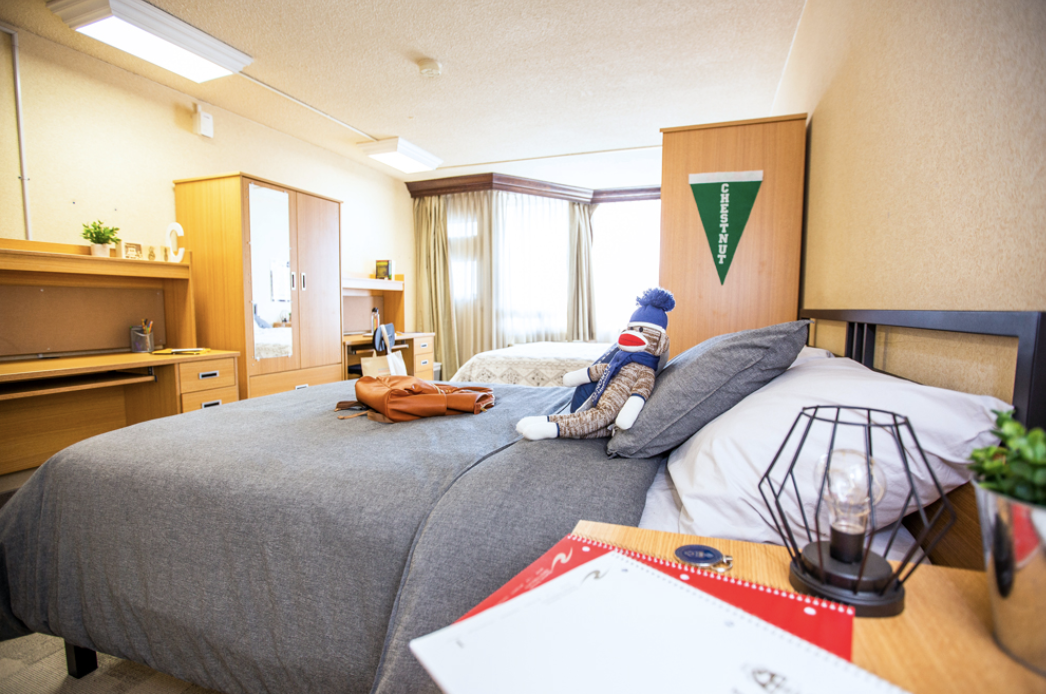
A lot of people will end up at Chestnut Residence. I didn’t live at Chestnut, but personally I didn’t find that to restrict my social life much because I lived really close to campus. The Chestnut groups are a lot stronger because they live with each other. You also mentioned that. Because you have classes with the same people, sometimes it can be a negative thing, like you don’t meet people outside of your program.

Also, EngSci events like Nocturne [the annual EngSci talent show] and the dinner dance were fun. You gain a very strong feeling of community, and Nocturne was a peak moment.

Finally, the Summer Orientation Program was very useful because that was where I socialized the most before EngSci; I knew no one going into EngSci from my area of Scarborough, and because of the Orientation Program, I went into EngSci already knowing, like, a hundred people, and it also helps with getting to know the campus.

The 2023 EngSci Dinner Dance [Source]

Giving Back – Interview with Joanna Roy (2T3 + PEY)


Joanna Roy

  • From: Toronto, Ontario
  • Major: Electrical and Computer Engineering
  • Future Plans: Working in the field of artificial intelligence ethics
  • Hobbies: Running and having a lot of pets
  • Fun Fact: Joanna once completed a marathon with a broken foot!

Why did you choose EngSci and what made you choose ECE as your major?

I made an extremely last-minute decision to come to EngSci. I met a family friend who did EngSci Biomedical Engineering, and she told me that she loved it, which basically converted me to this trajectory, which I think was for the best. At the time, I was super set on doing Biomedical Engineering, and I had never coded before. Coming into first year, I was really intimidated by the fact that I would be coding, and that a lot of other people had done it before. But ESC180 was a really good introduction to coding for me, and then I just got hooked. I also really liked the physics courses in second year, and almost went into Engineering Physics (I was extremely torn between, like, six of the EngSci majors) but I picked ECE since I could code and do physics. ECE kept my options as broad as I could have kept them, which is such a classic EngSci thing, but I just really liked that I could focus on either the electrical side or the computer side, and within the computer side focus on hardware or software.

Biomed was still among the six options that I was considering. However, in Engineering Physics or Biomed, you’re learning about something that already exists and already works, such as physical systems or the body. In ECE, I really like how you have the ability to create things if you’re coding something and consider more design questions. Part of it is memorizing whatever standards there are, but humans created computers and we know how they work; it’s now a matter of what we can do with them.

The benefit of EngSci was that I got to see which parts of each discipline most strongly resonated with me.”

What were some of the notable extracurricular activities in which you engaged at U of T? From where did your dedication to volunteering originate?

F!rosh Week will be one of your highlights as a first-year student. Upper-year students volunteer tirelessly to organize this epic series of events! [Source]

I started with Engineers Without Borders (EWB) in first year, and I did a bunch with them for a couple of years. Then, I got involved with Skule Mental Wellness, which is through the Engineering Society (EngSoc). After that, I had another project directorship with EngSoc where I was the Orientation Chair. I did other things here and there, especially in my 4th year, such as intramurals, and being a barista at the Victoria College Cafe.

Through volunteering, I immersed myself in a great community. I found EngSci hard, as did most people, but I also found that because of how demanding it was, it could easily over your life; when that happens, if you have something like a bad midterm or a hard course, it’s easy to let those things define you more if that’s like the only thing that you have in your life. Volunteering with EWB was such a nice break. It was just a consistent thing that I could come back to, and I knew that I was doing something positive. Helping people was what guided which extracurriculars I chose, and this turned out to be very fulfilling. When we went online due to COVID, we did a food bank; there were so many food-insecure people on campus that we didn’t need to advertise it at all, and we had so many people using it constantly. I got to meet people and do things that would impact others positively.

I appreciated the community, and I also noticed myself growing a lot in those roles and learning a lot about potential career paths or having interesting discussions, connecting with and receiving mentorship from upper-years (many of whom I’m still close with).

Opening my eyes to the less traditional things you could do with engineering was really helpful. I felt proud of the things that we were accomplishing as a team.

Was it challenging balance getting technical experience to specialize in your field and achieve internships, and volunteering?

Another classic dilemma. Besides an elective course called TEP448 (Systems Mapping), classes were my place to learn technical things. Regarding design teams, I wanted to have other non-technical experiences through my extracurriculars. There were times when I questioned if I should do more technical projects, since many people do personal projects when applying for internships. I did research placements, but for the most part I never opted to just “code something for fun.” In EWB, I definitely did technical things, but they were always in-service of something non-technical (which is engineering as a whole). I was always drawn more towards social questions, but because so many people around me were doing technical extracurriculars, I definitely questioned it a lot. I still do question it because my resume is much less technical than some people who had a different focus, but there were a lot of amazing things that came from those leadership experiences, which allowed me to develop more as a person. I think that was how I found my place in engineering, and overall, I didn’t have too much trouble finding a somewhat technical job.

My earlier research placements in quantum computing, which I still love and find interesting, inevitably became extremely technical. AI ethics, which involves many technical aspects with deep mathematics, is still in service of a bigger social concept, which I find to be more motivating. There’s a personal balance that everyone should determine. Eventually I’ll go to graduate school and now that I know what I want to do, I can determine thesis ideas to propose to professors, that are well aligned with what I want to do.

Do you have any miscellaneous advice for incoming students?

I told this to a lot of people during F!rosh Week, but just have fun with EngSci. You’ve made it here and you’re competent enough to be here, now just enjoy the experience. I did best when I took a step back and appreciated how cool it was that I got to study special relativity and quantum physics as a second-year student. Do things because you enjoy them, not just because they look good on a resume. Even though some extracurriculars had nothing to do with my courses, they still helped me have a better mindset for them.

Once I started doing that, the opportunities just came up and people will notice your competency and passion, after which they’ll ask if you want to do other things.

My experience was shaped by the many mentors and upper-years who I had, and that’s why I always go back to extracurriculars because most of them I wouldn’t know without doing that.

I felt a responsibility to contribute back to my community because I knew how many people had taken time out of their day to help me and provide guidance.

Other events that convinced me to come to EngSci were the Girls’ Leadership in Engineering Experience (GLEE), and the conversations I had at that EngSci dinner before accepting my offer. Upper-years have helped you become part of the community, so you should do the same for new students. I think a lot of people will do that anyways. At some point during your engineering journey, you will become an upper-year that someone looks up to; you’ll have many insights to share.

Also, go to office hours! I had some of the most helpful discussions at office hours, and it is truly mind-boggling when people don’t attend them. Like, the professor is there, and they write your tests, and they will tell you exactly what you need to know!

You’re entering one of the best programs at one of the best universities in the world. It’s time to follow your passions, explore opportunities, and reach your full potential! [Source]

EX – Exam Centre

Exam Centre [Source]

Located at 255 McCaul Street, the Exam Centre is where you’ll take many of your midterms and final exams. The Exam Centre has rooms for both larger and smaller classes, so you may find yourself taking exams with your entire section or with 30-40 students.    


During Exams

EX100, one of the larger exam rooms [Source]
EX320, one of the smaller exam rooms [Source]

Expect strict rules inside. You’ll be asked to show your T-Card; always have this with you. Phones and smart watches off, bags at the front, and no talking. The seating is usually not assigned, so grab any seat you like. The invigilators are there to make sure everything runs smoothly, so listen to their instructions. Often the exam will be invigilated by the course teaching team, but this is not guaranteed.   

If you need accommodations, make sure you’re registered with Accessibility Services well beforehand to allow enough time to process your request—check their website for deadlines! Accessibility Services works with Accommodated Testing Services (ATS) to administer and coordinate accommodated quizzes, term tests and exams for registered students.   


Tips

Always bring your TCard to every midterm and final exam.  

Bring all the stationery you’ll need – pens, pencils, erasers, refills/extras, and an approved calculator (if allowed). Some professors will only allow you to use a clear case for carrying your stationery.

Make sure to bring water, ideally in a clear bottle. For longer exams, you may be allowed to keep a snack on your table as well. 

The rooms can get cold, so having a sweater on hand isn’t a bad idea.  

And finally, if you get nervous around exams, there are lots of resources to help you prepare.   


Getting There

The Exam Centre is conveniently located near most engineering buildings, so if you’re doing some last-minute review in the Common Room before an exam (disclaimer: we do not endorse this study method), you’re just a quick seven-minute walk away. If you’re commuting, it’s also an easy walk from the Queen’s Park subway station. Always prepare to be at your exam early. Public transit can have unexpected delays. 

For any exam at U of T, especially those in the Exam Centre, once the exam starts, the rooms are usually closed, and in larger spaces like EX100, it can be tough to get the invigilators’ attention through the two sets of doors. 

EngSci Info Hub

When you start your studies in September, this will be your go-to stop for all EngSci-specific information. When you are enrolled in your courses, you’ll automatically see the EngSci Info Hub on your dashboard in U of T’s course portal, called Quercus. Here, you can find FAQs, resources, opportunities within the EngSci community, and general updates. You’ll see it on your dashboard right next to your courses, so it’s easy to find. 

Below is a list of sections within the EngSci Info Hub and what you can expect from each. The hub is regularly updated by the EngSci Office and may include additional sections and information based on the latest resources and services.

Be sure to check it out when it becomes available to you in early September! 

EngSci Info Hub as found on the Quercus Dashboard

Academic Planning and Advising

This section includes:

  • FAQs for Years 1-4,
  • curriculum,
  • regulations,
  • majors,
  • policies and procedures,
  • thesis,
  • graduation requirements,
  • advising and support services,
  • and more.

Services and Resources

This section includes resources such as:

  • mental health and wellness services,
  • EngSci GEARS,
  • technology support,
  • job search assistance,
  • and more.

Opportunities

This section includes information on:

  • awards and fellowships,
  • employment opportunities such as ESROP, PEY, and summer positions, graduate school listings,
  • volunteer opportunities,
  • events like competitions, hackathons, conferences, career talks, and industry sessions,
  • resume and job-hunting support,
  • the alumni network,
  • and much more.

Graduate School Info

Resources and listing for those interested in graduate studies after EngSci.

EngSci Common Room

EngSci Common Room Front Entrance

Welcome to the EngSci Common Room! This is a place only open to EngSci students. It offers study spaces, foosball tables, video games, vending machines, and more. Located in Bahen Centre, the Common Room is open 24/7 during the school year and to access it, all you need is your T-Card. 

The “room” is actually two rooms connected by internal doors: a study space in the front (BA 2128) and a lounge at the back (BA 2124). It holds a lot of people: we once found more than 90 chairs in the room! You can see flyers, notices, and memes plastered all around the room. There are also cabinets filled with old textbooks, handbooks, and solution manuals. 


Study Spaces

Study Spaces in the Common Room

The Common Room has ample space for studying, mostly concentrated in the front room. Most of the space is designed for collaborative studying with a chalkboard and several whiteboards available to use. There are also rooms for quiet study, or for group work. The Common Room can get quite noisy when it gets busy during the day, especially during lunch. 


EngSci Club Office

The Common Room is also home to the EngSci Club office. If you have any questions about university, EngSci, or academic support, they can direct you to resources. The EngSci Club also offers lockers that students can rent throughout the year. This can be helpful for commuter students who want to store some of their belongings on campus. 

Read more about what the EngSci Club does here. 

EngSci Club Office in the Common Room

Community

In the back room (lounge), there is a large table next to a blackboard, where you’ll see EngScis hold group review sessions, draw memes, and work on problem sets, among other things, often while having lunch. In addition, this is a space where you can play foosball or video games, stream movies on the TV, and/or microwave your lunch. This is where you can relax and hang out with friends. 

Note: Please remember that this is YOUR shared space. Treat it like your home, cleanup after yourself and do not damage anything.

Back Room of Common Room

Etiquette

The Common Rooms are spaces for EngSci students only. When studying or socializing with non-EngSci students, you are encouraged to use other U of T spaces. To find study spaces around campus, you can also use the Sync Search app here.  

Please do not admit students you don’t know to the rooms.  This is to protect everyone’s safety. 

EngSci students are responsible for keeping the EngSci Common Rooms clean and tidy! Eat only in the designated areas and clean up any mess you make. There are recycling and waste bins in each roomuse them! 

While caretaking staff empty our waste bins daily, they are NOT responsible for picking up trash from tables or floors.

Please help EngSci be sustainable. Sort waste and recycling materials into the correct bins. 

Do not do anything that would leave stains or permanent marks on common room facilities, including the furniture. Getting carpets or upholstery cleaned is expensive and comes out of EngSci’s budget.

Respect others who share the space. When partaking in loud activities in the back room (e.g. watching movies, playing foosball), close the doors so others can study in the front. Talking is of course allowed, and collaboration is encouraged, but limit your volume to avoid disturbing others. The common room also shares a wall with the EngSci office and boisterous activities disturbs work there. 

Regarding security, thefts have happened in these rooms. Never leave your belongings unattended. Do not let anyone you don’t know into the common room, and do not prop the door open. U of T buildings are open to the public much of the week. Never leave valuables unattended because laptops have been stolen. This applies to U of T spaces in general. 

Please note that the rooms are equipped with video cameras for everyone’s safety and security. Your activities may be recorded. 

Most importantly, use your Common Room common sense! 


Is EngSci For Me?

First Year Class Photo 2026
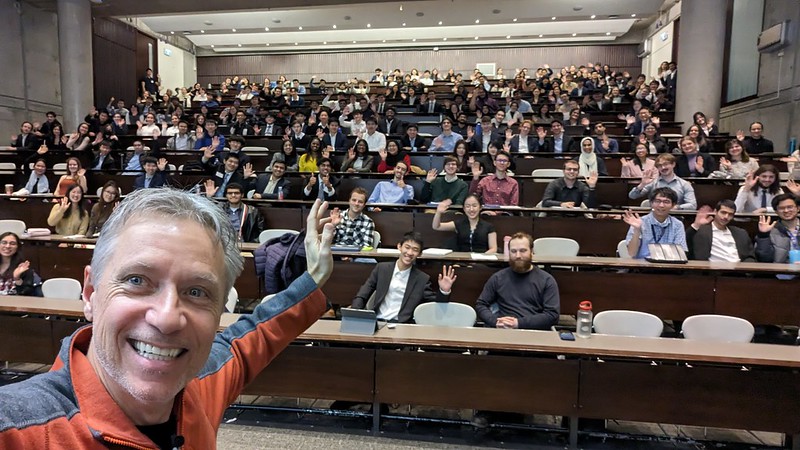
First Year Class Photo 2026 [Source]

Given that EngSci is a direct-entry program with a heavier course load than other engineering programs at U of T, many incoming students question whether it will be the right fit for them. If you’re feeling the same way, know that you’re not alone. Some students have found that EngSci is exactly where they belong, while others have discovered that their passion lies elsewhere. Both choices are completely valid.

Remember – You were admitted to EngSci for a reason! 

The Faculty of Applied Science & Engineering  puts all applicants through a rigorous admissions process. The admissions team selects students who they think will be successful in the program and in their work after graduation. You are one of these students and everyone here wants to help you succeed in your academic journey. To explore the student supports available at U of T visit Engineering Science Advising and Support.

Common Reasons for Transferring Out of EngSci

You may have heard about EngSci having a high ‘drop out’ rate. So first, let’s clarify terms: When people talk about “dropping out” they usually mean leaving a program (or even the university) because they failed academic courses in the program. This is very different from transferring from one program to another. In fact, the vast majority of students who leave EngSci are transferring to another program by choice, not because they did not meet the academic standards.

It is important to note that majority of first-year U of T Engineering students – including EngScis -continue into their second year within U of T Engineering and ultimately complete their engineering degrees at U of T. 

It is quite common for first year students in engineering, or in any other university program, to change their direction.  As you explore new topics, you will discover what excites you and what leaves you cold. If it seems like EngSci’s retention rate is lower than the Core 8, keep in mind that students can transfer between Core 8 programs during and after first year, while EngSci is a “direct entry only” program, meaning it is extremely difficult to transfer into EngSci from another program. This makes it seem like EngSci has more people leaving than in other programs, which is not really accurate.

Common Reasons for Transferring Out of EngSci Include:

Some students decide they want to focus on a specific field of engineering directly rather than waiting two years before specializing. This is the most common reason for transferring out of EngSci. After some exposure to different engineering topics in first-year courses, students transfer into a different U of T Engineering program because they discover that they are simply more interested in that program.

Some students choose to transfer out of EngSci because they prefer a program with a lighter timetable and more flexibility in how they spend their time. EngSci has a heavier course load with six courses per term instead of five, which can make scheduling and time management more demanding.  

However, this does not mean students have to choose between academic and extracurricular activities. Many EngSci students are still involved in clubs, design teams, research, and the Skule™ community while succeeding academically. For some students, though, a program with a lighter workload may better match the balance and university experience they are looking for. 

Some students may have misunderstood what engineering is, since it is a subject that is not usually taught in high school. This means quite a few students enter engineering programs without a very deep understanding of the discipline. Once they take some engineering courses, they may realize that they are more interested in pure math or science than they are in engineering. Since EngSci offers lots of exposure to these fields, a student may realize they want to study one of them directly. 

If you discover that EngSci isn’t the right fit for you, whether for academic or personal reasons, you will certainly be successful in another university program should you choose that path.

Note: You have to do this before the transfer deadlines. If you’re thinking about transferring at any point in your first year, book a meeting with your Academic Advisor (Stephen or Irma), they are here to help you navigate what that process would look like.


Athletic Facilities

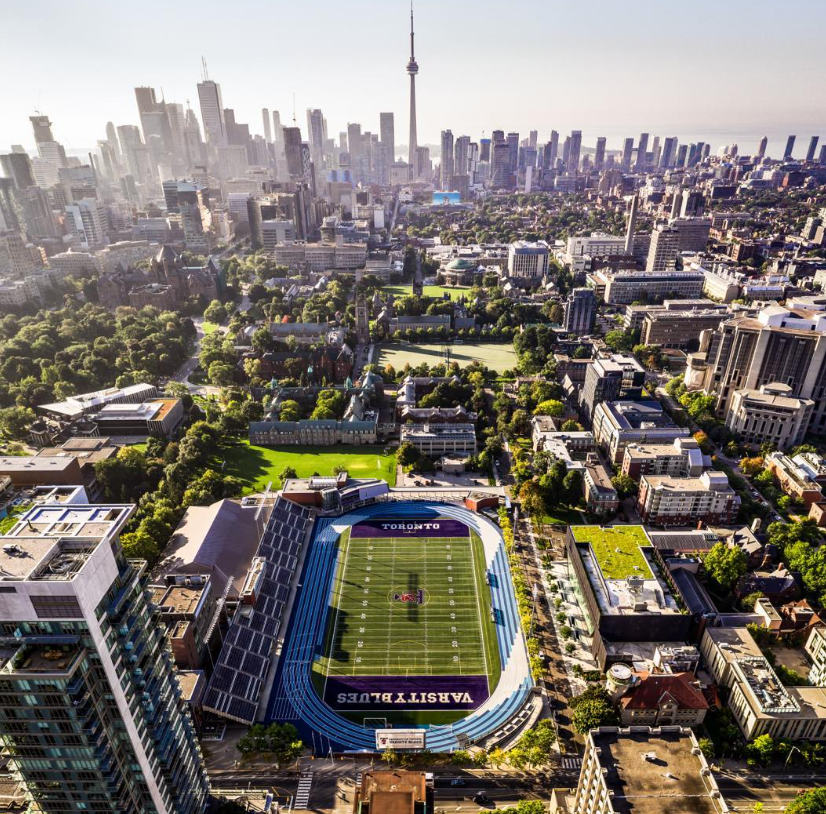
Whether you want to work out alone, exercise with friends, or participate in an organized sport, there is a place for you at one of U of T St. George Campus’s three indoor athletic facilities or two outdoor fields. Every indoor facility has different features and offers a variety of classes and equipment. Each has its own atmosphere, and it’s important that you find a place that is comfortable for you. You’ll have access to these facilities as long as you’re enrolled in classes – and if you aren’t enrolled during the summer, you can purchase a discounted student summer membership. 

💡 Student Tip!

If you’re looking for something fun to do after classes, attending a Varsity Blues game with friends is a great way to spend an evening. Tickets are FREE for students!

Varsity Blues game

Hart House

Upper gym at Hart House with a running track [Source]

Hart House Fitness Centre is a welcoming oasis of wellness for all students looking to improve their health. It’s a beautiful, historic, smaller-setting gym where everyone is welcome regardless of fitness level. 

Some of the amenities at Hart House include a weight room, basketball court, pool, indoor running track, dedicated spin bike room, and Pilates reformer rooms. You also have access to locker rooms, showers, and towel service.   

Hart House offers registered fitness classes and drop-in classes for all levels. Registered fitness classes often require a fee while drop-in classes are FREE for students enrolled in courses. The classes include aquatics and swimming, Pilates, strength and weight training, yoga, dance, and more. Some of these classes are also affiliated with specific clubs, such as the Hart House Archery Club.    

You can also purchase personal training sessions with one of the Hart House personal trainers, each specializing in different areas of fitness. These sessions are great if you are looking for a more individualized experience. If you have never trained with a personal trainer before, you can also book a fitness consultation session to understand your own strength and areas of opportunities.  

Athletic Centre

Picture of the facilities in the athletic center
Athletic Centre [Source]

The Athletic Centre, or the AC is the biggest athletic facility on campus. It has a large variety of equipment, with multiple machines of each type. The Athletic Centre is located on the west side of the campus at the intersection of Spadina Ave. and Harbord St – almost right next to Robarts Library. 

Some of its amenities include an indoor track, an Olympic-sized pool, dance studio, fencing salle, pedal zone, squash courts, basketball courts, badminton courts, and table tennis courts. You also have access to lockers and change rooms with both open and private cubicles for showering. 

The Athletic Centre has amazing drop-in classes ranging from racquet sports to skating. If you’re looking to learn something new, you can also register for their Learn to Move program that offers beginner-level instruction on swimming and court sports, weightlifting exercises, group fitness activities and more.   

Looking to work out with a group of friends or meet students from different programs with the same fitness goals? Try the group fitness workouts, including barre, yoga, high-intensity interval training, boxing, and Olympic weightlifting classes. 

Note that some of these programs require pre-registration and an additional fee, while others are free for registered students and operate on a first-come, first-served basis. 

The Athletic Centre houses the largest number of exercise machines/equipment on campus that you can use at your own pace. The open gym areas at AC are the Strength & Conditioning Centre (SCC), the Bruce Kidd Field House Periphery, and the Weightlifting Zone (WLZ). You can access these spaces for free as a registered student.   

In addition, SCC and WLZ also offers Women-Only Hours & ProgramsOpen Gym hours are updated for each term here

If you want to learn a new sport or improve your skills, you can sign up for an instructional class that matches your level. Classes are available from beginner to advanced in sports like tennis, gymnastics, parkour, trampoline, fencing, skating, and more!   

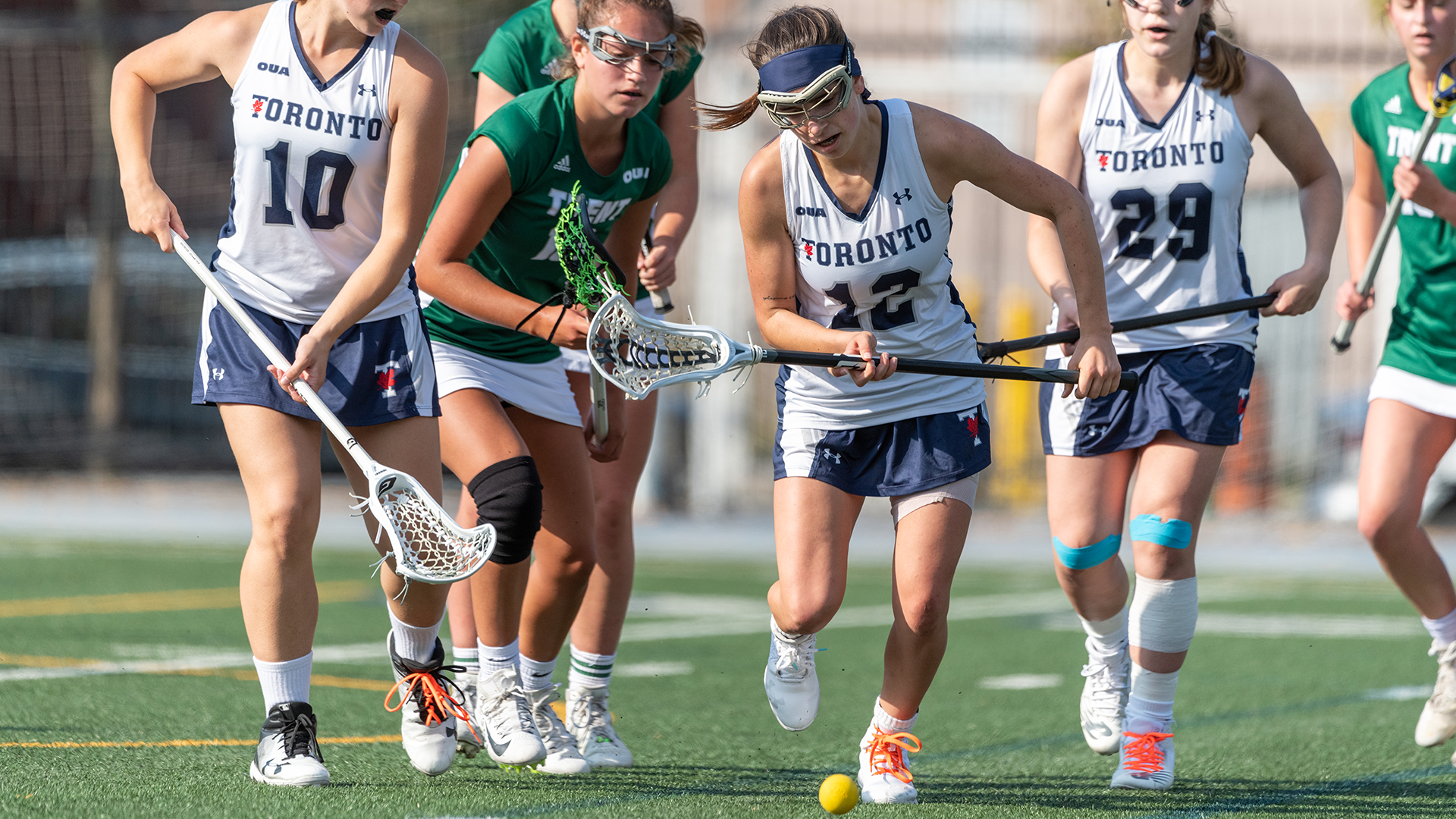
If you’re looking for a more competitive team environment, you can join a club, intramurals, or the Tri-Campus League. For more information on all sports and clubs offered, check out the KPE website here.   

Engineering students can get involved in sports at recreational, intramural, or varsity levels. Recreational athletic activities are things that you can do on your own, while intramurals are organized team sports that vary in competition level. Varsity sports are the highest level of competitive sport at U of T; these teams compete against other schools’ teams. 

Goldring Centre for High-Performance Sports

Goldring Centre for High-Performance Sports has a 2,000-seat fieldhouse for basketball, volleyball, and other court sports. It has nice big windows that provide a beautiful view while exercising. It’s also used as a teaching facility and includes a state-of-the-art strength and conditioning centre, fitness studio, sports medicine clinic, and research and teaching laboratories.  

Many programs and classes offered at the Athletic Centre are also offered at the Goldring Centre. When browsing programs on the Faculty of Kinesiology and Physical Education KPE’s website, check the Location(s) and Schedule sections to see if a particular program is offered at the Goldring Centre. 

Facilities at Goldring Centre [Source]

Chestnut Residence Gym

Chestnut Gym [Source]

Many first-year engineering students live at Chestnut Residence. A huge perk of this residence is that it has its own small gym in the basement. Nothing too fancy, but it’s perfect for a quick workout that’s close to home.